
Australia has many pest ant species, and thankfully pest managers have a wide range of ant control products to treat them. The catch is that no single product suits every ant or every site. Choosing between a non-repellent spray, a granule, a dust and a sugar, protein or gel bait starts with an inspection: identify the species, map the areas of activity, locate moisture sources, weigh the impact the ants are having and understand what the customer expects.
Why species identification decides the treatment
Identifying the species can make treatment easy or warn you that it will be difficult. The stinging green-headed ant found in north-east New South Wales and Queensland is readily controlled overnight with a protein/oil granular bait. An established Argentine ant infestation in Melbourne, by contrast, is likely to be an ongoing management problem with multi-queen, interconnected nests across neighbouring properties. In both cases the choice of treatment defines the success, or failure, of the job.
If the colony is established within the structure, simply killing foraging workers rarely gives relief: only around five per cent of the ants are foraging and exposed to a treatment, while the queens and brood stay protected in the nest.
The most effective approach is to locate and directly treat every nest in and around the structure. Because that is seldom possible, carry an array of products, including several bait types for sugar- and protein/fat-feeding species. Relying on one treatment for all ants and situations is courting recalls.
Sprays
Organophosphates and synthetic pyrethroids were the backbone of ant treatments for many years, but they work as repellent barriers. Newer non-repellent actives are carried back to the nest by foragers and can kill the entire colony.
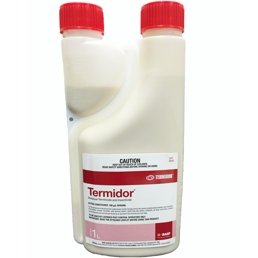
- Fipronil (Termidor) – apply as a barrier treatment 300 mm up and out from the wall. Also apply to ant trails, nests and where ants are active away from the nest. For outdoor use only.
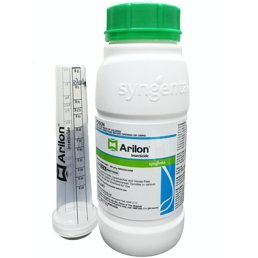
- Indoxacarb (Arilon) – treat areas of infestation and building entry points, around the perimeter and in garden beds. May provide up to six months’ control.
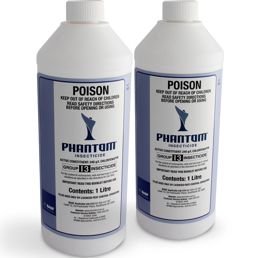
- Chlorfenapyr (Phantom) – apply directly to foraging ants as a coarse, low-pressure surface spray inside buildings. For indoor use only.
Inside
Insecticides can be the main method or a supplement to baiting. Particle sprays (WP, SC and CS formulations) give superior residual control on porous surfaces compared with emulsions (EC and EW formulations). Use non-repellent actives near baited areas so the spray does not drive ants away from the bait.
Outside
Drenching nests in soil often gives very effective control. Apply residual insecticide to the exterior surfaces of walls, doors, window sills, other entry points and the perimeter of the structure. Particle sprays are more effective on most exterior surfaces, while emulsions and granule formulations are more effective for soil treatment.
Granule treatments
Granules must be watered in to activate the chemical. They are best suited to soil treatments and can be distributed with a Rega Granule Puffer or a spreader.
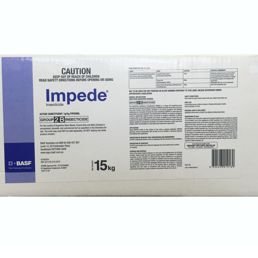
- Fipronil (Impede) – treatment of funnel ants in turf.
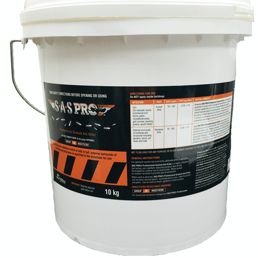
- SAS Pro – treatment of funnel ants and nuisance ants in turf, parks and gardens.
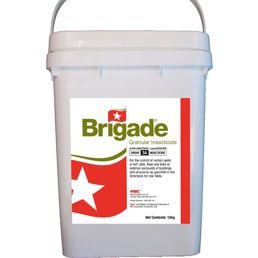
- Bifenthrin (Brigade G) – broadcast uniformly where specified pest ants are active and to nests in turf and the surrounds of buildings.
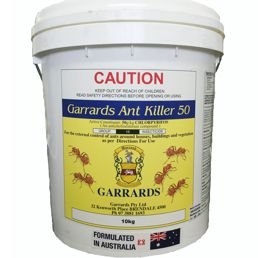
- Chlorpyrifos (Ant Killer 50) – sprinkle granules lightly and evenly around nests and trails wherever ants are active outside around gardens, houses and other buildings.
Dusts
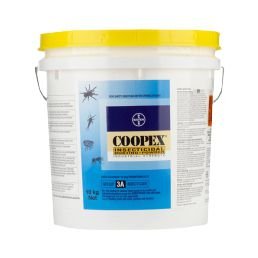
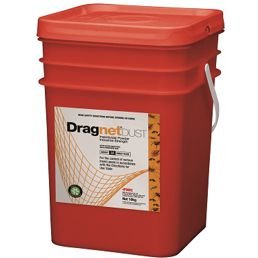
- Permethrin (Coopex, Dragnet) – apply powder along runs and on and around nests.
Dust applied into the nest area can rapidly eliminate the entire colony. Apply dust into all cracks and crevices for a metre either side of where ants are seen, and into voids where colony activity is suspected.
Liquid baits
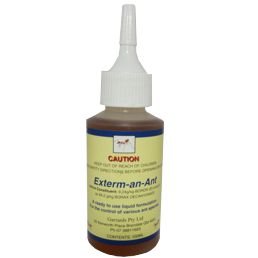
- Boron (Exterm-an-Ant) – place a small quantity where ants are tracking, at several locations, until no more ants are attracted.
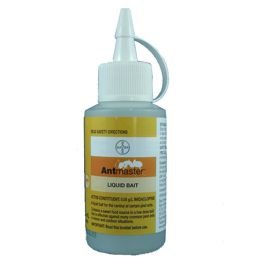
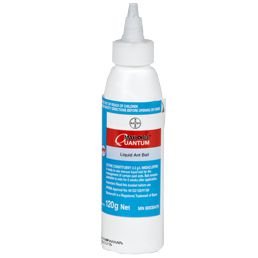
- Imidacloprid (Antmaster and Maxforce Quantum) – place bait at intervals along ant trails and where ants are active, in spots that will not be disturbed or contaminated by cleaning or work activities.
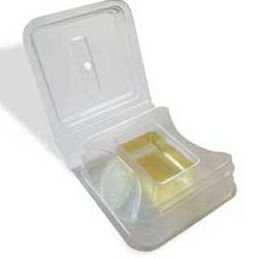
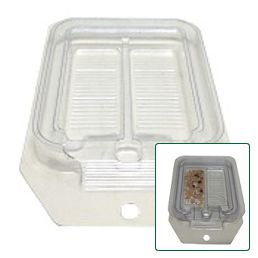
Liquid baits are prone to drying out, especially outdoors and in air-conditioned rooms, and to contamination from cleaning products and repellent insecticides. Placing them in Rega Ant Liquid Stations or Ant Cafes protects the bait, extends its life and allows placement on difficult surfaces such as verticals and porous materials.
Gel baits
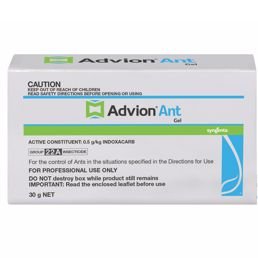
- Indoxacarb (Advion Ant Gel) – place next to active foraging trails, nest sites or areas known to be active, without disrupting the ants’ natural foraging. For sugar-feeding ants.
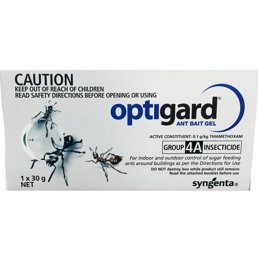
- Thiamethoxam (Optigard Ant Gel) – place along ant trails and other locations where ants are most active. Outdoors, place spots in protected cracks and crevices or use refillable bait stations. For sugar-feeding ants.
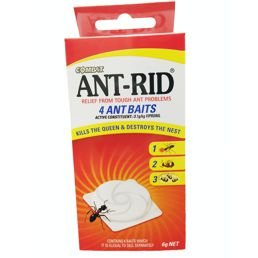
- Fipronil (Ant-Rid Stations) – place the station indoors next to ant trails or close to areas where ants are numerous. For sugar- and protein-feeding ants.
As with liquid baits, gel baits can be protected in Rega Gel Bait Stations.
Granular baits
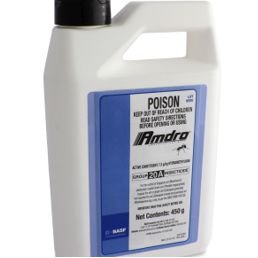
- Hydramethylnon (Amdro) – distribute granules evenly over the infested area or near nests. For ants attracted to proteins, which are normally scavenging species.
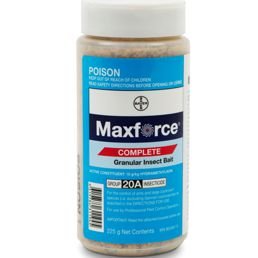
- Maxforce Complete – sprinkle evenly as a barrier or over an area where ants are active, avoiding direct application to nests. Ants are usually most active in the late afternoon.
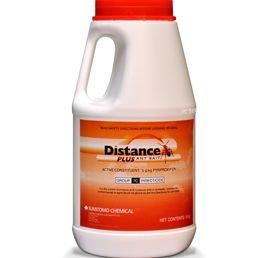
- Pyriproxyfen (Distance Plus) – best applied in early spring or summer at the first sign of ant activity, when ants are actively foraging. Foragers carry the bait back to the nest, where the insect growth regulator stops the queen laying viable eggs that develop into workers and reproductives.
Getting the most from baits
- Remove competing food. Bait works best when other food sources have been eliminated.
- Carry more than one bait type. Some ants prefer sugar, others protein and/or oils, and preferences shift with the season. Offer small amounts of each to test what they take.
- Use enough bait points. More placements mean more ants reach the bait and a better chance of control.
- Expect a surge. Activity may increase after placement as foragers recruit to the bait; warn the customer and do not spray the trail.
- Protect the bait. Stations shield bait from weather, cleaning and contamination. Rega Bait Stations suit granules, gels and liquids.
Safety and compliance
- Every product listed is an APVMA-registered pesticide and must be used only as directed on its label, including the indoor-only and outdoor-only restrictions noted above.
- Check current label status before use; registrations change, and some actives listed here (for example chlorpyrifos) have been subject to APVMA review.
- Wear the PPE specified on the label and SDS, particularly when applying dusts and mixing concentrates.
- Pest management work must be performed by a technician licensed in the relevant state or territory.
Available from Garrards
Garrards stocks the ant sprays, granules, dusts, baits and Rega bait stations described here, and branch staff can help you select the right combination for the species and site.
Contact your local Garrards branch
Frequently asked questions
Should I spray or bait for ants?
Usually both, but in the right order and with the right actives. Baits reach the nest through foraging ants; non-repellent sprays supplement them without driving ants away. Repellent sprays applied near baits will stop ants feeding.
Why did the ants ignore my bait?
Most often the bait base does not match what the colony wants at that moment. Test small amounts of sugar-based and protein/oil-based baits side by side and use the one they take. Also check the bait has not dried out or been contaminated by cleaning products.