
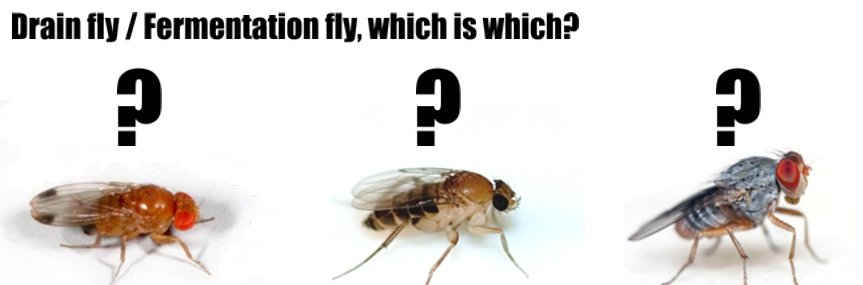
“Drain flies” are one of the most common small-fly complaints pest managers receive from Australian restaurants, supermarkets, pubs and homes, yet there is no single insect with that name. Drain fly, fermentation fly and even “fruit fly” are catch-all names applied to at least three quite different flies: the vinegar fly (Drosophila spp.), the phorid fly and the moth fly. Getting the identification right is the first step to a treatment that actually holds.

The problem: a confused name for several small flies
Just as there is a “confused flour beetle”, there is plenty of confusion around small flies. Customers typically report tiny flies hovering around sinks, floor drains, bars, fruit displays or bins. Three groups are usually involved:
- Vinegar fly (Drosophila spp.), often called the common fruit fly; breeds in fermenting fruit, vegetables and liquids. The subject of this article.
- Phorid fly (scuttle or humpbacked fly). Breeds in decaying organic matter, including build-up in drains and under floors.
- Moth fly (the true “drain fly” of many textbooks). Breeds in the gelatinous film inside drains and sumps.
Importantly, the vinegar fly should not be confused with flies in the family Tephritidae, the true fruit flies that are serious economic pests of fruit production, such as the Queensland fruit fly (Bactrocera tryoni). Those are horticultural and biosecurity pests, not a kitchen nuisance, and they are managed very differently.
Identifying the vinegar fly
Vinegar flies are a common nuisance pest in restaurants, supermarkets, fruiterers, canneries and homes wherever fermenting or rotting vegetable matter is present, and in warm Australian conditions populations build very quickly.
Biology and breeding sites
The larvae feed primarily on the yeast found in fermenting and liquefying material. Typical breeding sites include:
- Over-ripe tomatoes, bananas, rotting potatoes and onions.
- The liquid left in the bottom of beer cans and bottles held for recycling.
- Wet mops, mop buckets and accumulations of food particles behind or underneath kitchen equipment.
- Any soured or decaying substance, including bin juices and spills under bars.
- Drains with a generous gelatinous growth of scum, which can support vinegar fly larvae as well as moth fly larvae.
Larvae feed for about a week or slightly less and typically pupate outside the food source. Adults emerge within several days and are sexually active within two days. The entire life cycle can be completed in around eight days, which is why a small problem becomes a large one within a fortnight.
Why it matters
In food businesses, small flies are a visible hygiene failure to customers and auditors, and because they move between decaying material and food-contact surfaces they are a contamination risk under the Food Standards Code and state food-safety rules. For pest managers, unresolved small-fly jobs are a common source of recalls.
Step-by-step management
There is no single quick fix for permanent control. The most reliable results come from finding the breeding sources and removing or treating them, backed up by good hygiene and appropriate trapping.
- Inspect and identify. Confirm which fly is present. Vinegar fly points you to fruit, vegetables, beverage residues and spills; moth fly points you to drains; phorid fly points you to decaying organic matter, sometimes under floors or in wall voids.
- Locate every breeding source. Check produce displays, storerooms, recycling and bin areas, bar mats and drip trays, mop buckets, floor drains, grease traps and the gaps under and behind equipment. Larvae in a missed site will replace trapped adults within days.
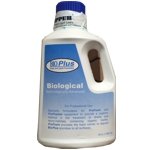
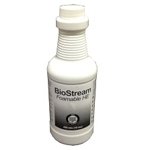
- Remove or treat the source. Dispose of spoiled produce, empty and clean recycling, and have staff clean beneath and behind equipment. Treat drains and organic build-up with a biological cleaner such as BioPlus concentrate or the BioStream ready-to-use trigger pack to break down the film in which larvae develop.
- Knock down and monitor adults. Use targeted sprays (only where the label permits in food areas), attractant lures and traps, and glue-board fly light units to reduce the adult population and to monitor whether numbers are falling.
- Fix the hygiene practices. Give the client a written list of the breeding sites found and the cleaning changes required. A lure alone removes some adults but will not solve the problem long-term.
- Follow up. Re-inspect after one life cycle (about a week to ten days) and check trap catches to confirm the sources have been eliminated.
Recommended products
Lures and traps for adult flies
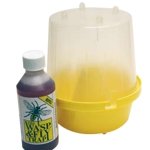
Russell Fly and Wasp Traps with liquid lure
AF Monitoring Systems Demi-Diamond
Agrisense Fly and Wasp Traps with liquid lure
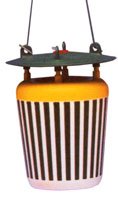
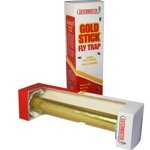
Catchmaster Gold Sticks
Treating breeding areas
BioPlus concentrate for diluting and applying to drains and organic build-up
BioStream ready-to-use trigger pack for spot treatment of drains, gaps and equipment voids
Fly light traps with glue boards
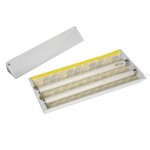
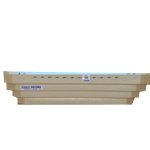
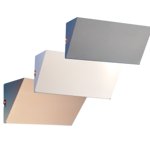
Garrards stocks a wide range of glue-board fly light units; the right choice depends on the area to be covered and whether a domestic or commercial model is required. Fly lights give continuous, insecticide-free monitoring and control of adult flies in food premises.
Chameleon series
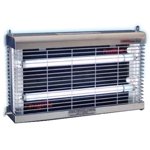
Silent Knight and Decore
UpLite
Safety and compliance
- Any insecticide used in a food premises must be APVMA-registered for that use and applied strictly to label, with food and food-contact surfaces protected.
- Prefer non-chemical measures (source removal, biological drain cleaners, traps and fly lights) in food-handling areas; reserve sprays for targeted use where the label allows.
- Position fly light units away from open food and preparation surfaces, in line with the site’s food-safety program.
- Pest management work must be carried out by a technician licensed in the relevant state or territory.
Frequently asked questions
Are drain flies and fruit flies the same thing?
Not really. In kitchens, “fruit fly” usually means the vinegar fly (Drosophila), which breeds in fermenting produce and liquids. The true fruit flies (Tephritidae, such as Queensland fruit fly) are horticultural pests and are not the fly found around drains and bars. The moth fly is the insect most correctly called a drain fly.
Why do the flies come back a week after treatment?
Because the vinegar fly completes its life cycle in about eight days. If a breeding site was missed, a new generation of adults emerges within a week. Traps and sprays reduce adults, but only removing or treating the breeding material stops the cycle.
Available from Garrards
Garrards supplies the traps, lures, biological drain treatments and fly light units listed above, along with technical advice on small-fly problems in food premises and homes.
Contact your local Garrards branch
Frequently asked questions
Are drain flies and fruit flies the same thing?
Not really. In kitchens, ‘fruit fly’ usually means the vinegar fly (Drosophila), which breeds in fermenting produce and liquids. The true fruit flies (Tephritidae, such as Queensland fruit fly) are horticultural pests and are not the fly found around drains and bars. The moth fly is the insect most correctly called a drain fly.
Why do the flies come back a week after treatment?
Because the vinegar fly completes its life cycle in about eight days. If a breeding site was missed, a new generation of adults emerges within a week. Traps and sprays reduce adults, but only removing or treating the breeding material stops the cycle.