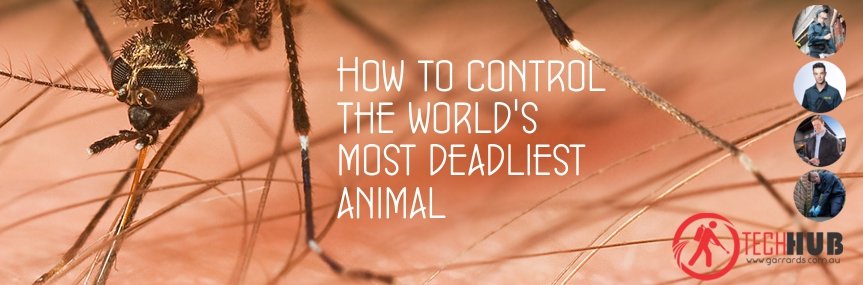
Mosquitoes are often called the world’s most dangerous animal, and in Australia the risk is real: after every big wet season, notifications of Ross River virus and Barmah Forest virus climb sharply. Effective mosquito control on private property is a service many pest managers overlook, yet customers value it and councils generally cannot provide it. This article explains why wet years bring more disease, what councils treat, and how to build a mosquito and midge service.
Why wet seasons bring more mosquito-borne disease
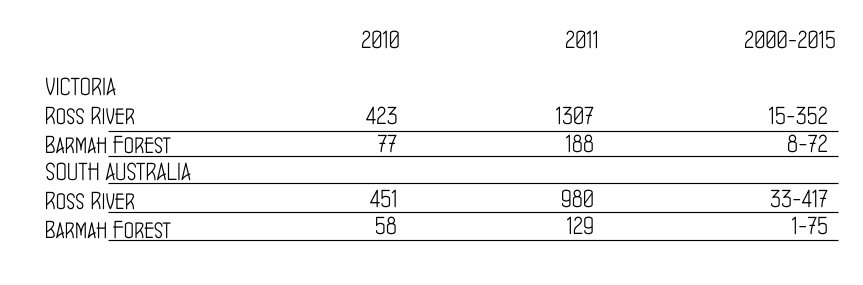
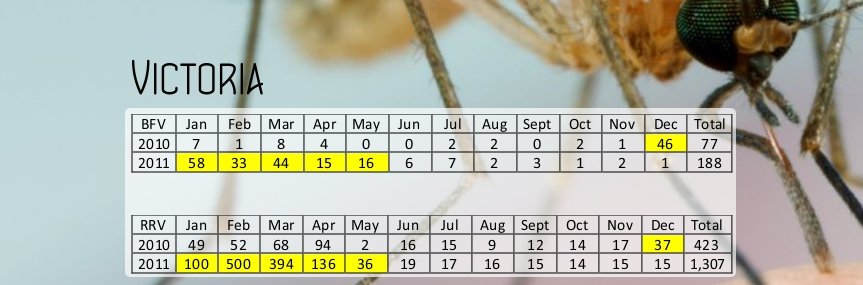
Heavy rain fills wetlands, drains and backyard containers with breeding habitat, and as spring temperatures rise, populations explode and virus transmission follows. In 2015 south-east Queensland and northern NSW recorded more than double the average number of Ross River virus cases. The previous major wet season in south-eastern Australia was 2010, and in 2010-2011 notifications of Ross River virus and Barmah Forest virus rose massively across the region. The same pattern was expected after the very wet winter of 2016, and it repeats whenever La Nina conditions deliver a wet year.
What councils treat, and what they do not
Councils in high-risk areas run larval control programs; in wet years such as 2016, Geelong and seven central Victorian councils started treating breeding sites a month early. Council programs are mostly limited to larvicides such as Vectobac (a bacterial insecticide) or methoprene (an insect growth regulator), which have minimal impact on other animals in the treated environment.
With few exceptions, council treatments are confined to government land. Private property and buildings such as hospitals, schools and offices are generally not treated. Pest managers who tell customers that mosquitoes are a council responsibility are mistaken, and the industry has been missing out on a service that gives customers real relief and may help protect them from debilitating viral illness.
Building an effective mosquito and midge service
1. Target breeding sites first
Breeding sites are the first target of any mosquito program. Offer to treat stagnant water on the premises and ask the customer to check water features, pot saucers, gutters and other standing water for wrigglers.
2. Treat harbourage where breeding sites cannot be reached
Adult mosquitoes rest in cool, shaded areas such as dense foliage, under decks and shaded walls. Treating these harbourages properly can give up to six weeks’ reduction in mosquitoes on a property, and it works better when neighbours do the same. This work must be done properly to be effective, with the right equipment and APVMA-registered products applied according to the label.
3. Inform your customers
At the job or by email, give customers information on personal precautions and refer them to their state health department’s advice on Ross River virus and Barmah Forest virus (for Victoria, see the Better Health Channel and Health.vic).
4. Build it into your program
Pest managers who control mosquitoes effectively report that customers rebook the following year, add other pest services and refer friends.
Garrards and vector control
Garrards took part in trial work in the mid-2000s to determine the best methods for treating adult mosquitoes and midges around homes and parks, and has shared that knowledge through Mosquito Control Association of Australia courses, Pest Review articles and Roadshow presentations. Garrards released a Vector Control Catalogue in early 2016 and made mosquitoes the 2016 Roadshow topic, work that state public health authorities strongly supported. Ask your branch for the current catalogue and product recommendations.
Safety and compliance
- Use only APVMA-registered products and follow the label, including buffer zones near waterways and restrictions on treating open water.
- Mosquito and midge treatments require an appropriate state pest management licence.
- Wear the PPE specified on the label; misting and ULV applications carry inhalation and drift risks.
Downloads
- The World’s Most Dangerous Animal: 2016 Roadshow presentation (PDF)
- Mosquitoes and Midges bulletin, Pest Review 2009 (PDF)
- Mosquito Alert for South Eastern Australia: tri-fold A4 flyer (PDF)
Frequently asked questions
Can pest managers legally treat mosquitoes on private property?
Yes, provided they hold the appropriate state licence and use APVMA-registered products according to the label. Councils generally treat only public land.
How long does a harbourage treatment last?
A properly applied harbourage treatment can reduce mosquitoes on a property for up to six weeks. Results improve when neighbouring properties are treated as well.
Available from Garrards
Garrards stocks larvicides, adulticides, misting and ULV equipment and PPE for mosquito and midge control. Contact your local branch for the current vector control catalogue.
Contact your local Garrards branch
Frequently asked questions
Can pest managers legally treat mosquitoes on private property?
Yes, provided they hold the appropriate state licence and use APVMA-registered products according to the label. Councils generally treat only public land.
How long does a harbourage treatment last?
A properly applied harbourage treatment can reduce mosquitoes on a property for up to six weeks. Results improve when neighbouring properties are treated as well.