
Pigeon paramyxovirus (PMV1) is a viral disease of pigeons that was detected in Australia for the first time in 2011, when outbreaks in fancy and racing pigeons in Victoria led to a state-wide ban on pigeon shows, sales and racing. Because pest managers regularly handle feral pigeons, their droppings and nesting material, understanding PMV1, its signs and the reporting requirements is part of doing bird management work safely and responsibly.
The 2011 Victorian outbreak
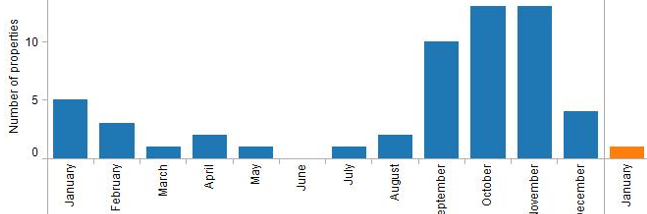
The virus was first seen in fancy pigeons in mid-August 2011 and confirmed as PMV1 in late August. By mid-September it had appeared in racing pigeons in the Goulburn Valley and several Melbourne suburbs. The first cases came from the Shepparton and Tatura area and the north-western suburbs of Melbourne.
- By the end of September 2011 there were 35 confirmed infected properties.
- From 28 September, pigeon shows, exhibitions, markets, sales, auctions and racing were banned in Victoria for 90 days. South Australian racing and show bodies observed a voluntary ban.
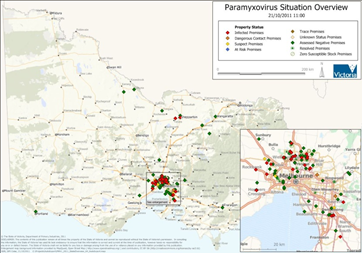
- During October PMV1 was detected in wild pigeons near Epping, Ivanhoe, Greensborough and Mornington, showing the virus had moved from lofts into the feral population.
- By the end of October there were 46 infected properties, 20 of which had been cleared, and reports of new infections were declining.
- New South Wales and South Australia banned the movement of pigeons from Victoria and declared PMV1 a notifiable exotic disease, giving those states extra powers to manage suspected cases and quarantine infected properties.
The disease spreads mainly through the movement of infected birds, which is why restrictions on shows and racing were the primary control measure.
Signs of PMV1 in pigeons
Affected flocks experience very high mortality, often losing every bird. Signs to look for include:
- lethargy and reluctance or inability to fly;
- vomiting a white-tinged fluid, with death typically within about three days;
- diarrhoea;
- respiratory signs such as gasping, coughing, sneezing and rattling breathing;
- neurological signs including tremors, paralysed wings, twisted necks, circling, spasms and paralysis.
Human health
Humans are rarely infected. Where infection does occur it can cause headaches and flu-like symptoms, and conjunctivitis that is usually mild and lasts around 12 days. Standard PPE for bird work, including gloves, eye protection and a suitable respirator when disturbing droppings, reduces exposure to this and to the other hazards associated with pigeons, such as histoplasmosis and psittacosis.
Poultry
Although experts were concerned PMV1 could spread to chickens, no Australian poultry tested positive during the 2011 outbreak and there was no evidence of unusual disease in commercial or backyard flocks.
What it means for pest managers
- Report suspect birds. If you see pigeons with the signs above, contact the Emergency Animal Disease Watch Hotline on 1800 675 888. Reporting is the mechanism that lets state agriculture departments respond.
- Do not move live birds. Trapped feral pigeons should be dealt with on site in accordance with state animal welfare and biosecurity requirements, not relocated.
- Manage carcasses and droppings carefully. Bag dead birds and contaminated material, wet down droppings before removal to reduce dust, and dispose of waste according to local council and state EPA requirements.
- Disinfect equipment. Clean traps, nets, ladders and vehicles between sites to avoid carrying disease between properties, especially where clients keep domestic pigeons or poultry.
- Advise clients. Building owners with heavy pigeon activity should be told about the health and disease risks and offered a proofing and deterrent program (netting, spikes, wire or gel systems) to reduce roosting and nesting.
Frequently asked questions
Is PMV1 dangerous to people?
Human infection is rare and generally mild, but pigeons and their droppings carry a number of other health risks, so PPE should always be used when working with them.
Who do I call if I find sick or dead pigeons?
Call the Emergency Animal Disease Watch Hotline on 1800 675 888, which connects you to your state or territory agriculture department.
Does PMV1 affect bird-proofing work?
Not directly, but heavy roosting populations spread disease more easily. Proofing and exclusion are the long-term answer to feral pigeon problems.
Available from Garrards
Garrards supplies bird netting, spikes, wire systems, deterrent gels, traps and the PPE required for safe bird management. Contact your local branch for advice on the right system for your site.
Contact your local Garrards branch
Frequently asked questions
Is PMV1 dangerous to people?
Human infection is rare and generally mild, but pigeons and their droppings carry a number of other health risks, so PPE should always be used when working with them.
Who do I call if I find sick or dead pigeons?
Call the Emergency Animal Disease Watch Hotline on 1800 675 888, which connects you to your state or territory agriculture department.
Does PMV1 affect bird-proofing work?
Not directly, but heavy roosting populations spread disease more easily. Proofing and exclusion are the long-term answer to feral pigeon problems.