
The Camilleri Underslab Injection System (CUSIS) is an underslab injection system for delivering termiticide to the soil beneath a slab or around a building perimeter through a permanent network of buried pipe. Garrards is the exclusive distributor of the system, and this page explains how installer accreditation works and what each component does.
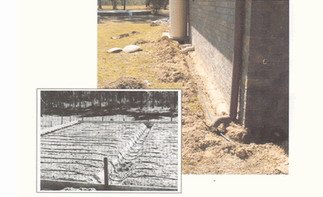
Why a reticulation system
Soil-applied termiticides break down over time, and once a slab is poured the soil beneath it cannot be re-treated by conventional means. A reticulation system solves this: the pipe is installed once, and the treated zone is recharged through it at the interval set by the termiticide label and site termite pressure, without drilling or disturbing the building.
Installer accreditation
The Camilleri system is run under a Quality Management System, and part of that system is an accreditation course for installers and maintainers. All CUSIS licensees must complete the course and demonstrate competency before they can purchase system components. The course covers both total underslab and perimeter installations.
To hold and keep accreditation, each licensee must:
- Attend a Camilleri accreditation course and demonstrate competency.
- Allow only pest management technicians to install and maintain the system.
- Ensure every installation under their licence is completed according to the Installer’s Manual.
- Use the consumer information material supplied by CUSIS when dealing with clients.
- Purchase parts and accessories only from a recognised quality distributor (Garrards).
Technicians must also hold the pest management licence required in their state or territory, and termiticides charged through the system must be APVMA-registered for reticulation use and applied at label rates.
System components
| Component | Purpose |
|---|---|
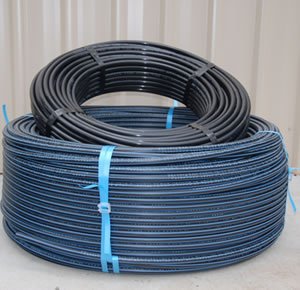 |
Two types, both flexible and easy to cut and join. Distribution pipe is 13 mm MDPE with holes along its length. Feeder pipe is 13 mm low-density poly pipe with no holes, feeding the distribution runs. |
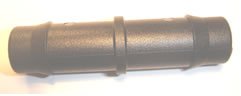 |
Joiners connect distribution pipe to feeder pipe. |
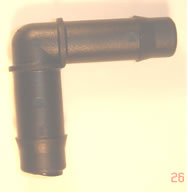 |
Elbows form an upright or turn the pipe through 90 degrees. |
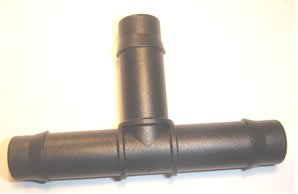 |
T-pieces join two lengths of pipe or close a run into a loop. |
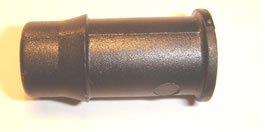 |
End plugs terminate runs of distribution pipe. |
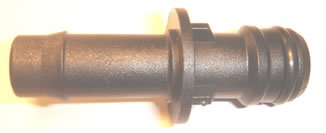 |
Bayonet connectors join the feeder pipe to the pump-up connector. |
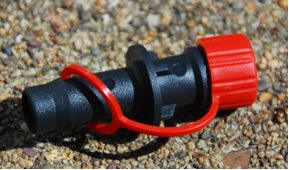 |
Bayonet caps seal the connector inside the valve box to keep soil, insects and debris out of the pipe between recharges. |
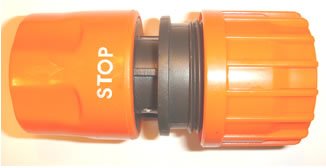 |
Pump-up connectors include a one-way valve and click onto the bayonet connector when the system is charged. |
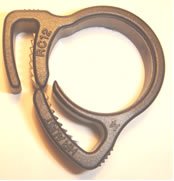 |
Ratchet clips tighten every connection on the low-density feeder pipe so junctions cannot blow apart under pressure during charging or recharging. |
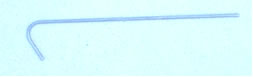 |
Steel pegs hold the pipe in position until the slab is poured or the trench is backfilled. |
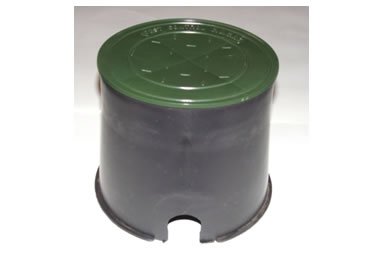 |
Valve boxes come in small and large sizes and house the bayonet or pump-up connectors between recharges. |
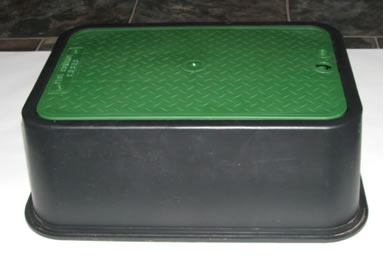 |
Small valve box. |
Tools and equipment for charging the system
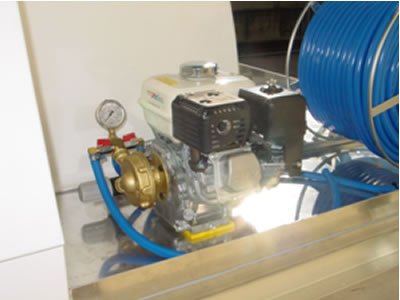
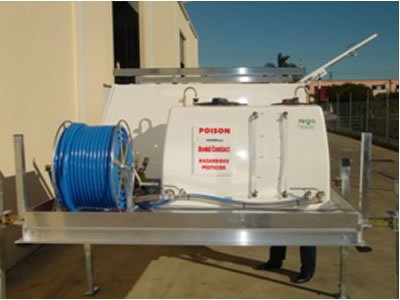
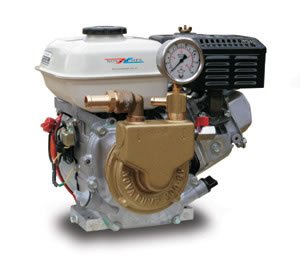
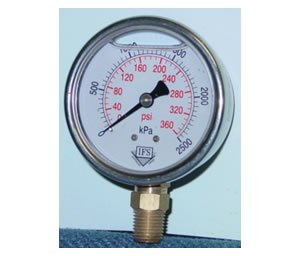
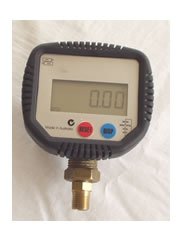
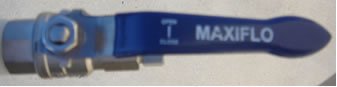
Charging the system is a pumped, metered operation. A typical vehicle set-up includes a pump and motor, pressure gauge, flow meter and ball valve so the technician can control pressure and record the volume delivered to each zone.
Downloads
- CUSIS licence application form (PDF)
- Camilleri licensee rules (PDF)
- Camilleri system specification (PDF)
- Camilleri installation guide (PDF)
Available from Garrards
Garrards is the exclusive distributor of the Camilleri system. Contact head office for accreditation course enquiries and your local branch for components, pump-up equipment and reticulation-approved termiticides.
Contact your local Garrards branch
Frequently asked questions
Who can install a Camilleri Underslab Injection System?
Only accredited CUSIS licensees who have completed the Camilleri accreditation course, using pest management technicians licensed in their state or territory.
What is the difference between distribution pipe and feeder pipe?
Distribution pipe is 13 mm MDPE with holes along it that release termiticide into the soil. Feeder pipe is 13 mm low-density poly pipe with no holes that carries termiticide from the pump-up point to the distribution runs.
Can the system be used on an existing building?
Yes. The accreditation course covers both total underslab installations for new construction and perimeter installations, which suit existing buildings.