
Cold store rodent control is one of the more unusual problems a pest manager can face. Rats can survive in a freezer running below zero, and the tools that normally work, baits, lured snap traps and glue boards, often fail in the cold. This article looks at three real field challenges drawn from the Garrards Pest Review magazine: freezer rats, a ‘rat’ that would not take bait or go near a trap, and rats nesting in cars.
Challenge 1: rats in a cold store
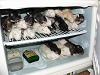
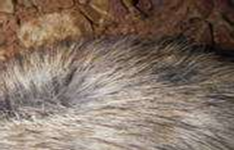
Ever had to treat rats in a cold store where the temperature sits below zero? Rats living in cold stores adapt by growing long, thick coats, and they will happily live on stored product. One milk depot found rats sampling only the custard and chocolate milk, with product from the chewed cartons spilling over neighbouring stock and making it unsaleable.
Why cold store rats are harder to treat
- Rats rely on smell rather than sight to find food. Odours are far less volatile at low temperatures, so baits and the attractants on snap traps are much less likely to be found.
- The adhesive on some glue boards loses its tack in the cold and becomes ineffective.
- Rodenticide baits can become unpalatable or physically hard when frozen.
- Cold stores are full of harbourage: pallets, racking and stacked product give rats plenty of cover.
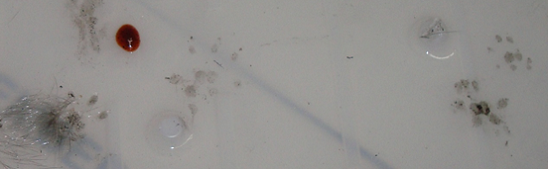
At one store the problem was eventually solved by staff who spotted the rat and charged at it with a broom. That is not a management program.
The answer: think about what the rat needs most
A rat in a cold room needs warmth and nesting material more than it needs food. The next time this problem came up, the rat was caught on the first night by placing snap traps (with attractant) among a pile of shredded paper in a corner near the rat activity. The nesting material did the work that the food lure could not.
Practical points for cold stores:
- Track activity first. Non-toxic tracking dust or flour patches show runways even when baits are ignored.
- Set multiple traps in and around a nesting-material lure placed on the rat’s runway, close to walls and behind pallets.
- Choose glue boards rated for low temperatures, or avoid relying on them.
- Treat the warmer areas as well: plant rooms, loading docks and the spaces behind cool-room panels are where rats nest and travel.
- Proof the doors and panel joints so the population is not replaced from outside.
Challenge 2: a ‘rat’ that will not eat baits or go to traps
A customer in an outer suburban area reported a very secretive rat around the barbecue and occasionally in the kitchen. They said it seemed attracted to meat, had a very pointed nose and a long tail, and did not look like a common rat.
The answer: it is an antechinus, not a rat
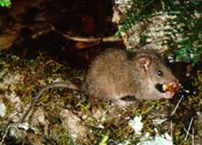
Antechinus species are native carnivorous marsupials found in every state of Australia, and they are protected. Their normal habitat is forest, where they shelter in nests in trees, hollow logs and crevices, so furniture and stored items in homes on bush blocks or farms are a logical substitute. They are nocturnal and generally avoid built-up urban areas, which is why they turn up mainly on the suburban fringe.
Antechinus are voracious carnivores feeding on insects, spiders, worms and small reptiles, which explains the interest in the barbecue and the lack of interest in cereal-based rodent baits. Individuals are usually solitary except during the brief mating period and while the female is raising young. Mating is frenzied and competitive and ends within about three weeks, after which most males die from stress and exhaustion.
| Feature | Antechinus |
|---|---|
| Body size | 70 to 140 mm, 17 to 71 g |
| Tail | Sparsely haired, similar length to the body |
| Colouring | Greyish brown to black above, paler below |
| Head | Long, pointed head with bulging eyes |
| Ears | Long, thin and crinkly, with a notch in the margin |
| Front teeth | Four pairs of small sharp incisors (rats have a single pair of large chisel-like incisors) |
Because antechinus are protected native wildlife, they must not be baited or trapped with lethal devices. Management is about exclusion: seal entry points, remove the attraction (uncovered food scraps and the insects they hunt), and advise the client that the animal is harmless and seasonal. If an animal needs to be removed, contact your state wildlife authority or a licensed wildlife carer.
Challenge 3: rats in cars that ignore bait and traps
In late winter a technician was called to rats living in cars. Food in traps and rodenticide bait were both ignored. Why?
The answer: they have already chosen a nest
The rats had selected the vehicle as a warm, sheltered nesting site and were not short of food nearby. As with the freezer rats, shredded paper as a nesting lure with snap traps or glue boards placed close by may solve the problem. Also check the surrounding area, sheds, garages and stored goods, for the food source and harbourage that brought the rats there in the first place, and advise the client that chewed wiring and hoses are a fire and safety hazard.
Key lessons for rodent work
- When food lures fail, ask what the rodent needs most in that environment: warmth, nesting material or water.
- Identify the animal before treating. Not every ‘rat’ is a rat, and native species are protected.
- Match equipment to conditions; some glue boards and baits do not perform in the cold.
- Trapping, baiting and proofing all have a place in an integrated rodent management program, and rodenticides must be used according to the APVMA-approved label.
Adapted from the Garrards Pest Review magazine.
Available from Garrards
Garrards branches stock snap traps, glue boards, tracking products, rodenticides and proofing materials for difficult rodent jobs. Ask your branch for advice on equipment suited to cold stores and other challenging sites.
Contact your local Garrards branch
Frequently asked questions
Why do rats ignore bait in a cold store?
Rats find food mainly by smell, and odours are much less volatile at low temperatures, so baits and trap attractants are far less likely to be detected. Warmth and nesting material are stronger lures in the cold.
How can I tell an antechinus from a rat?
Antechinus have a long pointed head with bulging eyes, thin crinkly ears with a notch, four pairs of small sharp incisors and a sparsely haired tail about the length of the body. Rats have a single pair of large chisel-like incisors.
Can I bait or trap an antechinus?
No. Antechinus are protected native marsupials. Manage them by exclusion and removing attractants, and contact your state wildlife authority if removal is needed.