
Cockroach control is bread-and-butter work for Australian pest managers, yet German cockroach callbacks remain one of the most common complaints in kitchens, cafes and unit blocks. Success depends on knowing which species you are dealing with, how it behaves, and which combination of sanitation, harbourage denial, baits, dusts and sprays will actually reach it. This guide summarises the biology, habits and modern IPM approach for the pest cockroaches found in Australia.
Why cockroaches matter
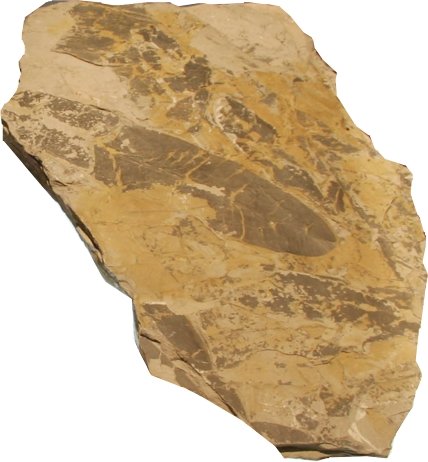
Cockroaches are primitive winged insects, almost unchanged from fossils 350 million years old; DNA studies now place termites within the cockroach order Blattodea. Of more than 3,500 known species, fewer than ten are pests, and Australia’s many native bush cockroaches rarely trouble buildings. The pest species carry disease organisms between drains, bins and food, taint infested areas with odour, foul surfaces and breed fast enough to build enormous populations. Cockroach allergens are also a recognised asthma trigger, making control in homes, schools and health facilities a genuine public health service.
Pest cockroach species in Australia
German cockroach (Blattella germanica)
Small and slender with two dark parallel bands along the pronotum. The number one indoor pest in Australia: it prefers warm, moist areas such as kitchens and dishwashers, is rarely found in bedrooms, breeds quickly and is less sensitive to pyrethroids than other species.
American cockroach (Periplaneta americana)
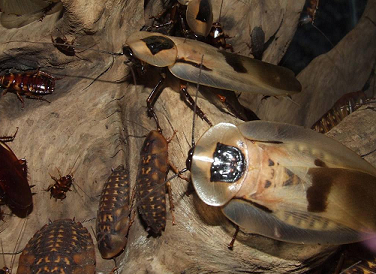
Large, shiny red-brown with a pale yellow border around the pronotum. Prefers warm, moist conditions and is common outdoors, in sewers, drains and sub-floors.
Australian cockroach (Periplaneta australasiae)
Similar to the American cockroach but with a brighter yellow ring on the pronotum that continues along the base of the forewings. It prefers warmer climates, gardens rather than drains, and is more likely to fly.
Smoky-brown cockroach (Periplaneta fuliginosa)
Large, uniformly dark brown to black with no pale markings. A sub-tropical species that lives in sheds, roof voids and garden litter and only occasionally wanders inside.
Oriental cockroach (Blatta orientalis)
Medium-sized, dark reddish brown to black; the female has greatly reduced wings. Found mainly in temperate areas, often outside and at the lower levels of buildings.
Brown-banded cockroach (Supella longipalpa)
German-sized, with transparent pronotum edges and two pale bands across the nymph. It disperses throughout a building, harbouring in furniture, bedding and cupboards, and flies when disturbed, which makes it harder to control.
Habits that shape control
- Omnivorous feeding: they eat almost any plant or animal material, from crumbs and grease to the glue in book bindings.
- Nocturnal activity: occupants are often unaware of an infestation, especially in office tearooms where activity starts after staff leave.
- Aggregation: an aggregation pheromone on the cuticle and in droppings marks safe harbourages, so populations cluster in a few spots.
- Thigmotaxis: cockroaches rest where surfaces touch their bodies, which is why cracks, crevices and appliance motors are the harbourages to target.
- Grooming: they clean antennae and legs through the mouth, which is how dusts and transfer-effect insecticides are ingested.
How cockroaches used to be controlled
From the mid-1800s the tools were mineral and plant dusts (borax, sodium fluoride, pyrethrum, diatomaceous earth), household fumigation, plaster-of-paris and flour baits, jam-jar traps and sealing of harbourages. Dusts, baits, traps and proofing survive today as core IPM tools, now backed by APVMA-registered products.
Modern cockroach management
Inspection, monitoring and identification
- Inspect thoroughly with access to all areas: missing one harbourage can undo the whole treatment.
- Check hot, moist spots first (dishwashers, motors), but expect unusual harbourages, such as above suspended ceilings, where repellent sprays have been used before.
- Use a pyrethroid flushing agent to reveal activity and sticky boards with a food attractant to monitor between services.
- Have staff log sightings in a pest register and check it at every service.
- Confirm the species from droppings, egg cases and size; identification points to the likely source.
Non-chemical strategies
- Sanitation: remove food, water and garbage daily (not enough alone, but it makes baits work).
- Seal cracks and gaps, proof the premises and check incoming stock.
- Store food in sealed containers with stock rotation; clean grease, drains and shelving at least monthly.
- Trapping: good for monitoring, insufficient alone for fast-breeding species.
Choosing and using insecticides
- Match active ingredient and formulation to the species and site as part of an IPM strategy.
- Insect growth regulators, especially chitin synthesis inhibitors, mixed with an adulticide give the best long-term suppression.
- Dusts penetrate voids far better than sprays.
- Baits exploit aggregation: long residual, targeted, suitable for sensitive sites, applied without disrupting routine, and carried into the harbourage. Place them close to harbourages.
- Do not apply repellent pyrethroids near baits; in food premises consider two baits to beat food competition.
Safety and compliance
All insecticides must be APVMA-registered and used strictly to label, including food-premises restrictions. Technicians must hold the relevant state or territory pest management licence, wear the PPE specified on the label and SDS, and keep treatment records.
Frequently asked questions
Why do German cockroaches keep coming back after spraying?
Repellent sprays scatter them into new harbourages and rarely reach egg cases. A bait-and-IGR program with thorough inspection and sanitation gives far more durable results.
Do baits work in commercial kitchens?
Yes, provided they are placed within centimetres of active harbourages, kept away from repellent sprays, and competing food and grease is cleaned up. Rotating bait matrices helps maintain acceptance.
Available from Garrards
Garrards stocks cockroach gel baits, insect growth regulators, dusts, non-repellent sprays, flushing agents, sticky monitors and the application equipment and PPE to go with them.
Contact your local Garrards branch
Frequently asked questions
Why do German cockroaches keep coming back after spraying?
Repellent sprays scatter them into new harbourages and rarely reach egg cases. A bait-and-IGR program with thorough inspection and sanitation gives far more durable results.
Do baits work in commercial kitchens?
Yes, provided they are placed within centimetres of active harbourages, kept away from repellent sprays, and competing food and grease is cleaned up. Rotating bait matrices helps maintain acceptance.