
Bird B Gone manufactures professional-grade bird control products that prevent birds landing or roosting where they are not wanted, in commercial, industrial and residential situations. The range is exclusive to Garrards in Australia, and it covers the four things a bird job actually needs: exclusion, deterrence, electric track and trapping.
Why bird proofing is a physical job, not a chemical one
Most Australian bird complaints come from a small number of introduced species – feral pigeon, common (Indian) myna, common starling and house sparrow – fouling awnings, signage, solar panels, plant rooms, loading docks and food premises. The damage is guano corrosion, blocked gutters, mite and insect activity in nests, and a food safety problem the client’s auditor will write up.
Native birds are protected under state and territory wildlife legislation. Before any job that involves handling, trapping, nest removal or exclusion where native species roost, confirm the species and check what permits or approvals apply in that state. Correct identification is the first step on every bird job, not the last.
That is why bird control is dominated by physical products. Deny the ledge, deny the roost, deny the entry point, and the problem does not come back the way a spray-only treatment does.
The Bird B Gone range
Physical and visual deterrents
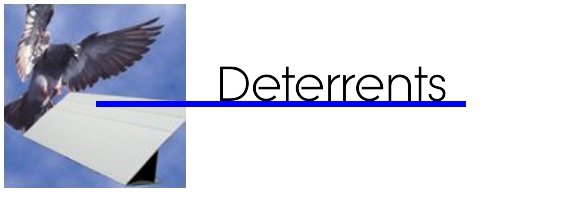
Post-and-wire systems and slope products remove the flat ledge birds need to perch on. Spider deterrents, lasers and visual repellers unsettle birds using an open area. Visual deterrents work best as part of a package and where the pressure is light to moderate – on a heavily established roost, exclusion does the work.
Sound deterrents
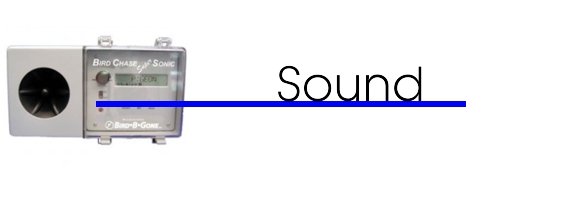
Sound units suit large open areas such as yards, car parks and rooftops. Check local noise requirements and neighbouring occupancies before installing one on an urban site.
Spikes
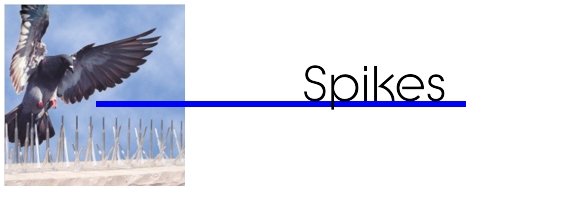
Spikes are the workhorse of ledge protection – parapets, sills, signage tops, beams and gutter edges. Girder and gutter profiles handle the awkward runs that standard strips do not fit. Match the spike width to the ledge: a strip narrower than the ledge simply moves the birds back a few centimetres.
Shock track
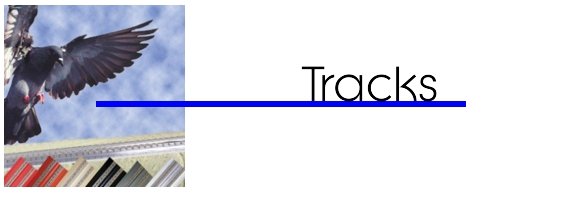
Energised track delivers a harmless but memorable pulse when a bird lands, and its low profile makes it the option for heritage facades, signage and architectural ledges where spikes or netting would be visually unacceptable.
Traps
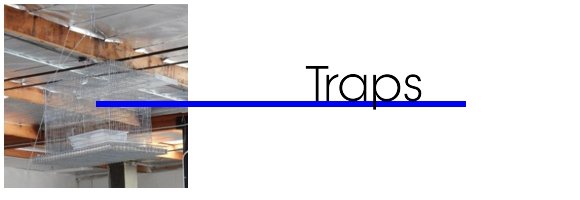
Live-catch trapping reduces an established population on a site where exclusion alone will not resolve it quickly enough. Trapping is the part of a bird program most tightly bound by species identification, animal welfare obligations and state permit requirements – confirm both before you set anything.
Specifying a bird job
- Identify the species and confirm whether it is protected in that state.
- Work out what the birds are getting from the site – food, water, roost, nest – and remove it where you can.
- Exclude first: net or seal the openings and voids the birds are using.
- Protect the ledges with spikes, wire, slope or shock track, sized to the surface.
- Clean up the guano safely, with appropriate PPE, and then hand over a maintenance plan – bird proofing fails when nobody checks it.
Safety and compliance
Guano clean-up carries a real health risk and requires appropriate respiratory protection, gloves and disposal in line with Safe Work Australia guidance and your own SWMS. Work at height on facades, roofs and signage brings its own licensing and fall-protection requirements. Where a bird job involves native species, state and territory wildlife legislation applies and permits may be required.
Available from Garrards
Bird B Gone products are manufactured in the USA and are exclusive to Garrards in Australia. Contact your nearest branch for current stock, sizes and help specifying a bird proofing job.
Contact your local Garrards branch
Frequently asked questions
Are Bird B Gone products humane?
Yes. The range is designed to prevent birds landing or roosting rather than to harm them – spikes, wire, slope, netting, visual and sound deterrents and low-voltage shock track all work by making a surface unattractive or inaccessible. Live-catch traps are also available where a population needs to be reduced.
Can I use these products on native birds?
Native birds are protected under state and territory wildlife legislation. Identify the species first and check what permits or approvals apply in that state before any work involving trapping, nest removal or exclusion of native species.
Spikes or shock track?
Spikes are the cost-effective choice for parapets, sills, beams and gutter edges. Shock track has a very low profile, so it is the option where the appearance of the facade matters – heritage buildings, signage and architectural ledges.