
Russell IPM manufactures pheromone-based insect monitoring and control systems, and Garrards supplies its professional range to Australian pest managers. If you service flour mills, bakeries, grain stores, warehouses, pet food plants, spice and dried-goods packers or food retail, Russell IPM pheromone traps are how you detect a stored product pest problem before your client’s QA auditor does.
About Russell IPM

Russell IPM is a specialist manufacturer of pheromone-based insect monitoring and control systems and one of the largest producers in Europe. Its core expertise is insect behaviour-modifying systems and biorational pest management based on natural products, translating that science into products for pest controllers and hygiene officers working in food processing, storage and distribution facilities.

The company’s research and development facilities include a pheromone dispenser formulation laboratory, a trap adhesive research unit, pressure-sensitive adhesive coating equipment, technology for incorporating pheromones and attractants into the adhesive layer itself, and in-house printing for custom products. Every product is quality-checked before manufacture.
Why pheromone monitoring matters on Australian food sites
Stored product insects – Indian meal moth, tropical warehouse moth, cigarette beetle (Lasioderma serricorne), sawtoothed grain beetle, rice weevil, flour beetles and warehouse beetles – breed inside product and inside plant, not on the perimeter. A general surface spray will not find them. Pheromone traps do two jobs a spray program cannot:
- Early detection. Species-specific lures catch the first few adults, so you can find and remove the infested pallet, spillage or dead spot before it becomes a rejected consignment.
- Evidence. Dated, mapped, numbered trap catches give you a trend line, which is exactly what HACCP-based food safety programs and third-party audits expect to see from a pest management contractor.
Monitoring traps are a detection and decision tool, not a control measure on their own. Use catch data to direct inspection, cleaning and stock rotation, and to decide where a registered treatment is warranted.
Russell IPM products stocked by Garrards
Delta traps and lures


The Delta trap is the general-purpose sticky trap body for flying stored product moths, used with the species-specific lure for the pest you are targeting.
Moth and beetle traps

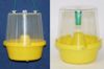
Xlure monitoring range


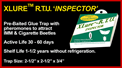
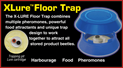

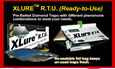
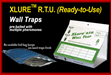
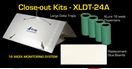
The Xlure range covers floor-level crawling beetle monitoring (MST), ready-to-use inspection traps and wall-mounted units, with recharge kits so a monitoring program can be serviced rather than replaced.
Setting up a monitoring program
- Identify the target pest first – pheromone lures are species-specific, and the wrong lure returns an empty trap next to a live infestation.
- Number and map every trap position so catches can be tied to a location on the site plan.
- Place floor traps against walls, in corners and under racking where beetles run; place moth traps clear of airflow and forklift traffic.
- Record catches at every service visit and replace lures at the interval on the pack – a spent lure reads as a clean site.
- Investigate a rising catch immediately: trace it back to the product, spillage or void it came from.
Safety and compliance
Pheromone lures and traps are low-hazard, but any product used in a food handling area must be suitable for that use and installed so it cannot contaminate product. Where a Russell IPM product is a registered pesticide it must be APVMA-registered and used strictly per its label, and commercial pest management work remains subject to state and territory licensing.
Available from Garrards
Russell IPM traps and lures are available from all Garrards branches. Contact your nearest branch for current stock, lure intervals and help setting up a monitoring program for a food site.
Contact your local Garrards branch
Frequently asked questions
What do Russell IPM pheromone traps catch?
Each trap is paired with a species-specific lure. The range covers stored product moths such as Indian meal moth and tropical warehouse moth, and beetles including cigarette beetle (Lasioderma serricorne), plus a wasp and fly trap. Ask your Garrards branch which lure matches the pest you have identified.
Do pheromone traps control an infestation?
No. They are a detection and monitoring tool. Catch data tells you where and when insects are active so you can direct inspection, cleaning, stock rotation and, where warranted, a registered treatment.
How often should lures be replaced?
Follow the replacement interval printed on the lure pack. An expired lure stops attracting insects, which can look like a clean site on your trap records.