
The Rekon Termite Treatment System is a flexible in-ground station system for the monitoring, detection and treatment of subterranean termites. Developed in Australia for Australian conditions, the Rekon termite treatment system gives pest management professionals year-round early warning of termite activity around homes and other structures, and a station design that lets them treat foraging termites with minimal disturbance.
What is the Rekon system?
Rekon is a station-based monitoring and treatment system. Stations are installed in the ground around a building; termites foraging in the area find the timber inside the station and begin feeding. Once activity is detected, the station is treated to eliminate the colony.
Three design features set Rekon apart:
- Patented secondary lid. Below the outer lid sits a secondary lid, so the station can be inspected and treated with minimal disturbance to the termites. Less disturbance means termites keep feeding and treatments are more likely to reach the colony.
- Ant exclusion. The secondary lid, the threaded outer lid and a 50 mm no-go zone at the neck of the station help prevent ants invading the station. That means less maintenance and a station that stays attractive to termites.
- A sheltered feeding chamber. The chamber under the secondary lid creates ideal conditions for termites to accumulate and feed in safety – the best starting point for a successful treatment.
How the Rekon system works
- Installation. Stations are placed in the ground at intervals around the structure and in areas where termites are likely to be found. A post-hole digger is available to make installation easier.
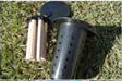
- Attraction. The station contains uniquely fluted timber dowels that termites can easily mud up and attack, providing a ready food source. Strikes occur sooner, which aids early detection of nearby colonies.
- Monitoring. In-ground stations should be checked at 8 to 12 week intervals, or more often in known high termite-pressure areas. The pest manager sets the schedule for each site.
- Treatment. When activity is found, the station is treated with a registered termiticide formulation. Rekon is designed to work with a range of registered dusts, foams and baits, and the pest manager selects the formulation best suited to the situation.
- Colony elimination. Because the station holds a large volume of timber in a high-volume interior, termites accumulate in numbers, and treatments can be repeated with minimal disturbance until the activity ceases.
System components
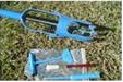
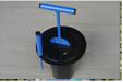
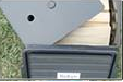
- Rekon Station. A round in-ground station placed around buildings where termites may be active.
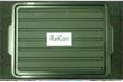
- Rekon Box. A larger unit for locations where termites are more likely to be found. The greater timber volume concentrates more termites for treatment.
- Post-hole digger. For easy installation of the round station.
- Rekon Station Kit. Contains a metal key to open stations, a probe to stop the station swivelling while it is opened, and a paintbrush to clean dirt from the top of the station before the lid is replaced.
Treating an active station
When termites are found in a Rekon Station or Box, they can be treated with Termidor Dust. Worker termites carry the dust back to the nest, and the colony is usually eliminated within about three weeks. Apply dust products strictly according to the registered label.
Where Rekon fits in a termite management program
Australian Standard AS 3660 recognises monitoring and baiting as a legitimate approach to managing subterranean termites, alongside chemical treated zones and physical barriers. Station systems such as Rekon suit sites where a full treated zone is impractical (for example, heavily paved or landscaped perimeters), where the client wants ongoing monitoring, or as a follow-up after active termites have been dealt with in a structure. Many pest managers combine a monitoring system with an annual timber pest inspection as an ongoing service agreement.
Termite prevention advice to give your clients
A monitoring system works best when the property is kept unattractive to termites. Advice worth passing on to homeowners:
- Remove termite food from around the building – timber stacks, old stumps, building refuse, and garden sleepers and logs.
- Remove all timber formwork and waste timber left under the house after construction.
- Use treated or naturally resistant timber wherever timber is in contact with, or close to, soil.
- Fix leaking pipes, drains, showers, sinks and taps, and direct air-conditioner condensate away from the building.
- Keep the subfloor dry by improving ventilation, drainage and access.
- Ensure concrete slabs are properly designed, compacted and cured – termites cannot chew through sound concrete, but they will exploit cracks and joints.
- Keep slab edges, foundations, piers and stumps clear of garden beds, vegetation and clutter so they can be inspected.
- Arrange a professional inspection at least once a year in cooler areas and twice a year in warmer, higher-risk regions.
Safety and compliance
Termiticides used with the Rekon system are APVMA-registered products and must be applied by a licensed pest management technician in accordance with the label. Wear the PPE specified on the label and SDS, and issue the client with the treatment records and durable notice required in your state or territory.
Available from Garrards
Rekon stations, boxes, kits and installation tools are available through Garrards branches, along with the registered dust, foam and bait products used to treat active stations. Further information is available from the manufacturer at www.rekon.com.au.
Contact your local Garrards branch
Frequently asked questions
How often should Rekon stations be inspected?
Every 8 to 12 weeks as a general guide, and more frequently in areas of known high termite pressure. The pest manager sets the schedule for each property.
What can be used to treat termites found in a Rekon station?
The system is designed to work with registered dust, foam and bait formulations. The original guidance names Termidor Dust, which workers carry back to the nest, usually eliminating the colony within about three weeks.
What is the difference between a Rekon Station and a Rekon Box?
The round Station is installed around buildings where termites may be active. The larger Box is placed where termites are more likely to be found and holds more timber, so more termites can be concentrated for treatment.